Language: English · Word count: 801
The rising demand for speech pathologists in a world that talks more online than ever
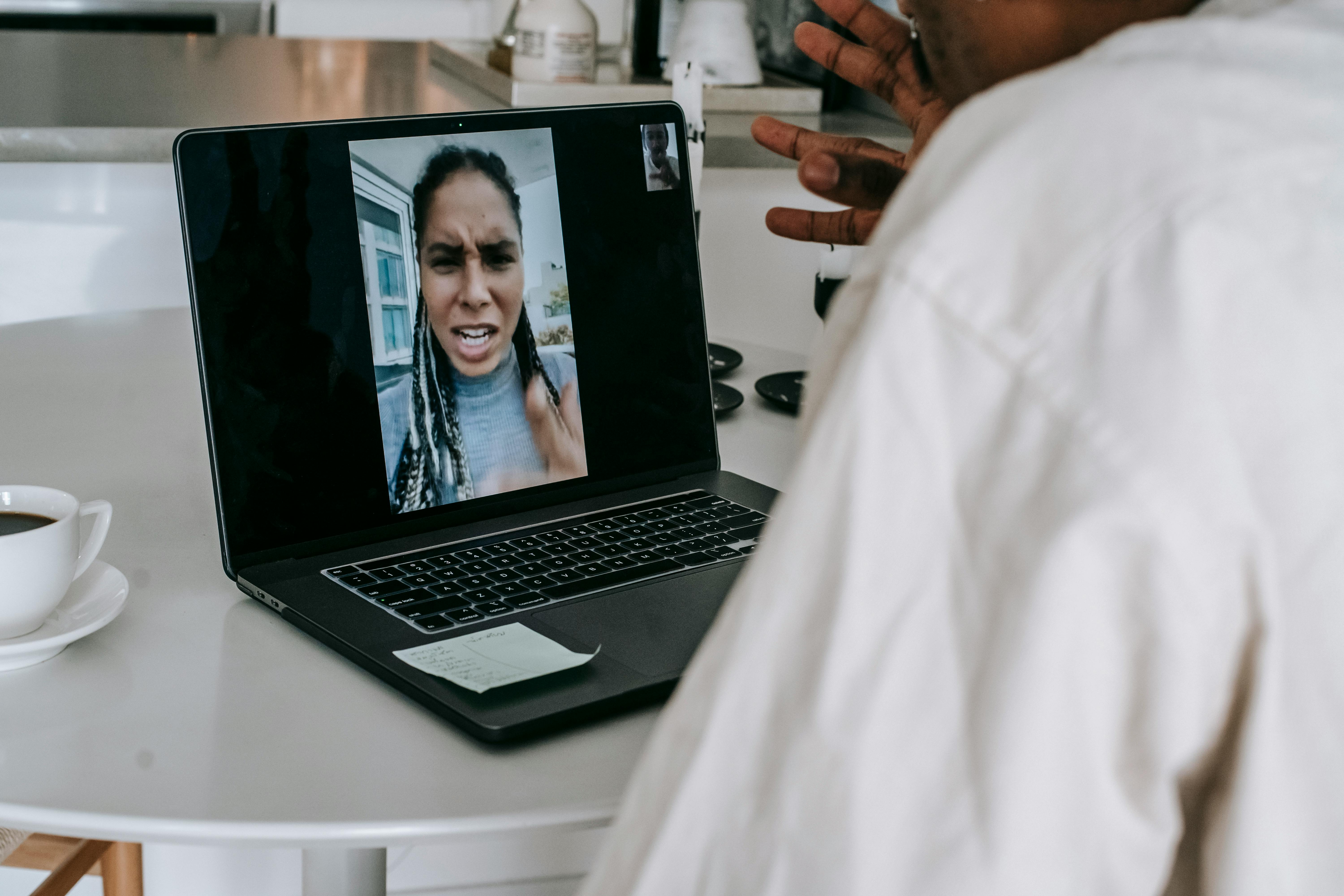
As online communication becomes the go-to for work, school and everyday life, speech-language pathologists are busier than ever. More people are running into voice, language and communication challenges thanks to all this screen time.
We spend so much of our lives talking through screens now. Meetings are on Zoom, friendships survive through voice notes and kids learn new words from tablets before they ever set foot in a classroom.
It sounds modern and convenient, and it is, but it’s also brought a new set of communication pressures. People talk more than ever, but many aren’t understood as well. There’s audio lag, unreliable microphones, speech fatigue and less face-to-face time, all shaping how we connect.
This is where speech-language pathologists come in. And they’re needed now more than ever.
The role of online education in closing the gap
One of the hardest things about becoming a speech-language pathologist is access to education. Traditional programs often mean you have to be on campus, which isn’t easy for people with jobs or families. That’s why online education is starting to change things in a big way.
Remote learning lets students pick up the academic side while still doing their clinical hours in approved placements. This flexibility opens the door for people who might never have thought they could go back to school. Take Ithaca College, for example. They’ve created a solid online path for people who want to become speech-language pathologists.
Their online speech pathology leveling degree gives prospective students a place to check out admissions requirements, clinical placement support and financial aid.
The digital shift is changing how we speak and listen
A huge reason more people are looking for speech pathologists is because so much of our communication has moved online. Video calls have replaced in-person meetings at a lot of jobs. That might sound efficient, but it poses new problems. People talk over each other more, vocal fatigue is common and it’s harder to pick up on nonverbal cues on a screen.
Even casual chats are different now. Messaging, voice notes and short videos shape how language develops and how people understand each other. Many kids are learning to communicate through digital tools first, not through traditional conversation.
This shift flies under the radar, but it matters. Speech-language pathologists are seeing problems that don’t always fit textbook speech disorders. Instead, they’re handling modern challenges shaped by our tech-heavy lives.
Why speech-language pathology is seeing growing demand
There are a few big reasons this field is taking off: For starters, people know more now. They understand that speech and communication issues aren’t only things kids outgrow. Adults need help too, especially those with voice strain from remote work or anxiety about talking in online meetings.
Healthcare is under a lot of pressure. As we live longer, conditions like stroke, dementia and neurological diseases are up. Many of these affect speech and language directly, so more people need therapy.
Schools are spotting more speech and language delays in kids. Teachers and parents are faster to notice problems and seek expert help. And lastly, the digital world is changing how we communicate, sometimes in ways that need a professional’s input to fix or improve.
Why flexibility matters more than ever
Flexibility is a huge reason more people are looking into this profession. Folks interested in healthcare often already work somewhere else or have family responsibilities that make old-school degrees tough.
Online programs make it possible to study and still keep up with work or life. That’s where the idea of an online speech pathology leveling degree really fits. It’s a way for people without a communication sciences background who want to move into the field. Instead of restarting in a rigid classroom, students can build the basics in a more flexible format.
This sort of access is making the workforce bigger, at just the right time as demand keeps going up.
How technology is shaping the future of therapy itself
It’s not just education that’s changing. Speech therapy is evolving alongside the tools we use to communicate. Telehealth is everywhere now. Therapists can meet with clients remotely, which really helps people in rural areas or those who can’t travel.
Apps and AI tools are showing up too, helping track progress, practicing pronunciation and supporting exercises between sessions. These don’t replace therapists, but they make therapy smoother and more consistent.
It’s pretty interesting. The technology that’s made communication trickier is also part of the solution.
A profession built for a louder and more digital world
We live in a world where we’re always talking, but not always connecting well. Video calls, voice messages and online classes have sped things up, but made communication more piecemeal too.
Speech-language pathologists are stepping in to bridge that gap, helping people be clearer and understand each other better.