Language: English · Word count: 1412
Gregor Townsend Joins Red Bull Advisory Role While Continuing as Scotland Head Coach
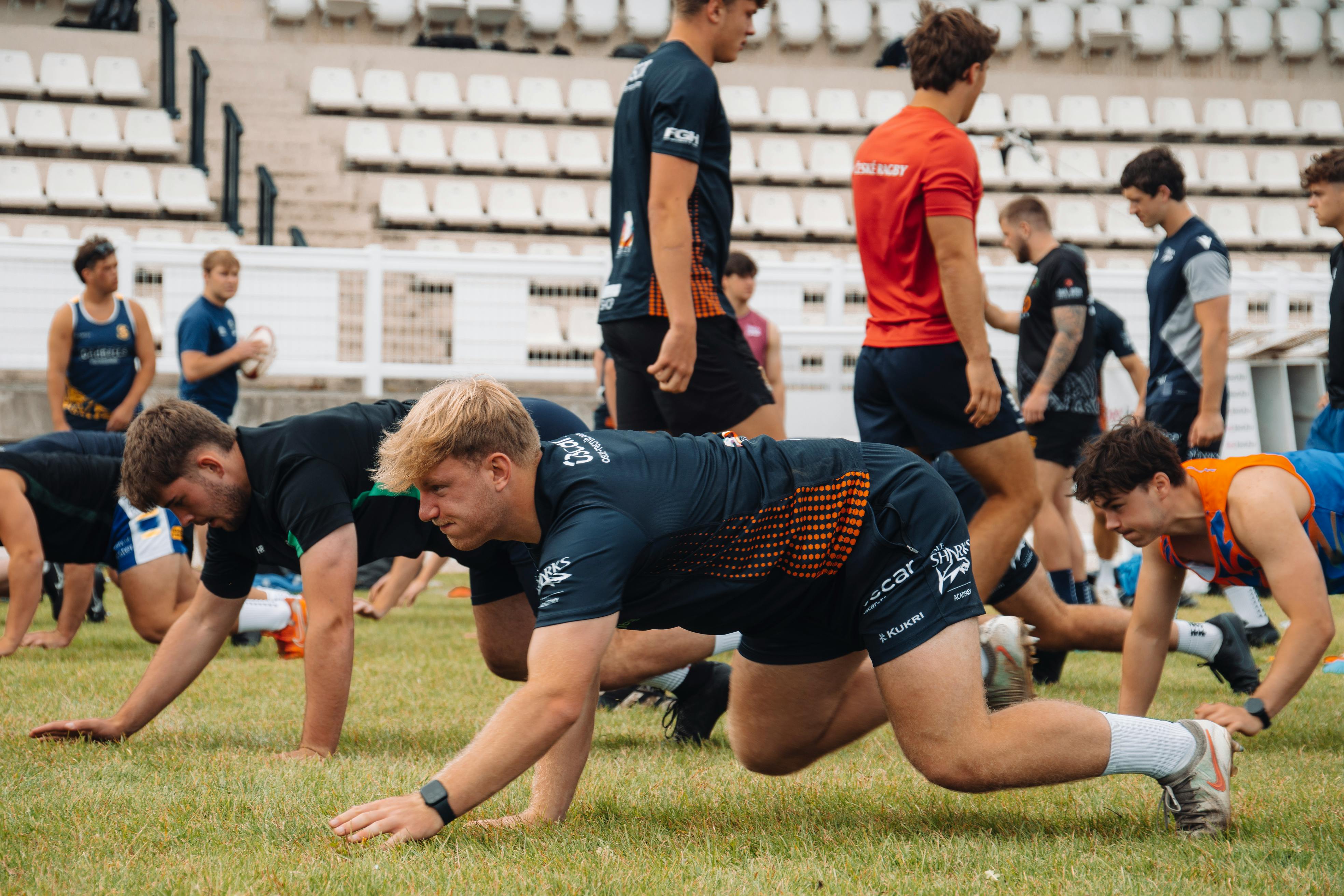
Gregor Townsend has taken on a unique dual role: maintaining his post as Scotland head coach while advising a global sports network as performance strategist. This move signals a really exciting new chapter for Scottish Rugby and clearly reflects the growing crossover between national duty and high-performance sports environments.
Townsend’s appointment indeed presents an unconventional career path. As Scotland’s long-serving head coach, he remains firmly at the helm of national ambitions. Meanwhile, he steps into a strategic advisory role at a global sports group, blending tactical insight with elite performance-culture experience.
Balancing National Duty and Global Ambition
Townsend’s new arrangement sees him retain full responsibility as Scotland’s men’s head coach while devoting selected days each year to a sporting organisation’s high-performance programming. Within this framework, his consultancy role is limited (reportedly up to 30 days annually) and explicitly structured to avoid conflict with his primary national team responsibilities. His contract extension with Scotland runs through to the 2027 Rugby World Cup, providing stability and continuity for the national programme.
From the Scotland Rugby Union’s perspective, the deal represents an opportunity rather than a distraction. Townsend’s exposure to world-class multi-sport environments is expected to feed fresh insights into Scottish rugby’s coaching models, athlete pathways and innovation systems. For Townsend himself, it offers a unique vantage point: observing how elite sport functions across disciplines and applying those lessons back to Scotland’s performance ecosystem.
The global network’s portfolio includes elite clubs and athletes across multiple continents, and focuses on creating long-term high-performance models that drive competitiveness. By tapping into a wider ecosystem, Townsend gains access to cutting-edge data science, sports psychology and infrastructure that would be difficult to replicate inside a single national programme.
Why the Sporting Network Turned to a Rugby Mindset
The decision to bring Townsend into a global performance role reflects a recognition of rugby’s growing strategic sophistication. His tenure as Scotland coach has been characterised by progressive game plans, strong talent development and adaptability. Scottish rugby pundits point to landmark wins in the Six Nations and a rise to as high as fifth in the world rankings under his watch.
Early reaction from analysts and former internationals has been largely positive, noting that the arrangement positions Scotland to benefit from cross-sport innovation without sacrificing continuity. Some still question how dual commitments work in practice, but Scottish Rugby insists the role is tightly managed and monitored.
The sports group's value lies in its methodology: blending physical preparation, mental resilience and team culture. These principles translate beyond rugby and appeal to organisations seeking a winning mindset in football, cycling, ice hockey, or other disciplines. Townsend’s ability to communicate complex ideas, lead diverse coaching teams and foster performance innovation makes him a strong fit in that broader context.
High-Performance Lessons Beyond Rugby
One of the arrangement's most compelling aspects is its cross-disciplinary dimension. Townsend has already visited high-performance centres across other sports, witnessing training environments, data-driven athlete tracking and cultural ecosystems that transcend rugby. These visits allow him to import best-practice frameworks into Scottish rugby, from recovery protocols and mental-toughness drilling to talent utilising holistic development pathways.
This interaction signals a shift for Scottish rugby: the national side is not just competing with the usual rugby rivals but absorbing innovation from outside its sport. The ripples may be felt in academy development, athlete longevity, workload management and recruitment strategy. In essence, Scotland is diversifying its knowledge base by leveraging external expertise.
How Data and Discipline Shape Rugby Odds
While the primary focus remains coaching and performance, Townsend’s move also intersects with the analytical thinking that underpins modern sports-betting markets. Platforms such as Bet365 offer bonus structures and betting markets that reflect team form and data-rich indicators: possession statistics, set-piece success rates and player workloads.
For rugby punters, the intricate patterns that coaches like Townsend seek are now visible in odds markets and betting behaviours. The line between performance analytics and betting insight is narrowing: when a top coach emphasises decision-making under pressure, you’ll often see betting markets adjust accordingly.
This trend underscores how discipline, preparation and real-time adaptability are shaping outcomes both on-field and in market evaluation. Rugby stakeholders, including clubs, broadcasters and agencies, increasingly understand that the sport’s commercial environment includes not only match results but also how those results are anticipated and interpreted.
There have been muted concerns from some supporters who fear that even a part-time external role could dilute focus, especially during Six Nations preparation windows. However, stakeholders indicate that the advisory work will be scheduled around major international blocks to prevent disruption.
Scotland’s Game Plan Remains Intact
Amid the buzz of Townsend’s new advisory role, the message from Scottish Rugby has been unequivocal: his commitment to Scotland is undiminished. The coaching staff, backroom structures and national priorities remain unaffected. He will lead Scotland through major fixtures, home tests and the build-up to the 2027 World Cup.
For fans and players alike, the arrangement reassures them that the national programme remains coherent. The additional role is positioned as complementary, broadening his understanding rather than diverting his focus. Indeed, one rationale of the arrangement is that the insights gained from global high-performance sport will strengthen Scotland’s pathways, not weaken them.
What Townsend Brings to the Network’s Culture
Townsend’s hallmark is his emphasis on clarity, preparation and adaptability, which are highly valued in elite performance cultures. In Scotland, he has consistently focused on decision-making under pressure: whether reacting to turnovers, managing defensive structures or reversing momentum in tight matches. It is precisely this high-intensity, coach-led discipline that the global sporting network seeks to harness.
Townsend will consult on athlete development, team culture, performance analytics and innovation systems in his advisory capacity. His involvement may influence recruitment strategies, coach education frameworks and global talent-pathway alignment. Although not a full-time executive, his influence is projected to ripple across the network’s multi-sport operations, potentially elevating the coaching programmes, academy infrastructure and athlete tracking systems.
For Scottish rugby, the benefit is double: He gains fresh exposure and networks and the national side absorbs that experience. In this way, both parties stand to gain; Scotland through the import of best practice and the sporting network through rugby-specialist insight.
Practical changes could appear in Scotland’s approach to skill acquisition, scenario training and integrated sports science support. That might include more simulation-based learning, improved GPS-driven workload planning and enhanced alignment between club and country development models — all vital to competing with larger talent bases.
A new era of Coaching Influence
Townsend’s dual role may foreshadow broader sports trends: where national coaches serve as strategic consultants for global brands and where performance ecosystems become interlinked, not isolated. It blurs the boundary between national duty and commercial collaboration.
For Scottish rugby, the upcoming cycle through the 2027 World Cup and the newly announced international fixtures provide a backdrop for this innovation. The hope is that Townsend’s expanded exposure leads to sharper performance outcomes, deeper player development and sustainable success.
On a macro level, this move could signal that the future of coaching lies not just in trophy hunting but in networked influence, where knowledge-sharing, cross-sport collaboration and analytics-driven frameworks become as vital as scrums and line-outs. In the competitive arena of rugby, the key margin may no longer be possession or territory but the quality of insight, the depth of preparation and the agility of thought.
Over the coming four-year cycle, Scotland face significant competitive milestones — from a demanding Six Nations schedule to a challenging tour programme and an emerging young core. Townsend’s broadened experience is intended to give Scotland marginal gains in areas such as decision-speed, conditioning sharpness and execution under fatigue.
Gregor Townsend’s new advisory role represents a bold step in modern coaching strategy. While still Scotland’s head coach, he now operates within a global performance network; gathering insight, broadening horizons and bringing external expertise home for Scottish rugby, which means continuity with innovation.
It may well signal a new template for coaching influence in elite sport. As the game evolves, the most successful programmes will be the ones that adapt, collaborate and learn. In that sense, Scotland’s national team may be better placed to do just that.
For Scotland, it represents an investment not just in the head coach but in the evolution of the entire performance system. In a sport where small details decide big moments, the ability to learn from the world’s best — and apply those lessons fast — could be the competitive edge that defines the next era of Scottish rugby.