Language: English · Word count: 1017
What Car Diagnostics Can Teach You About Betting on Race Day
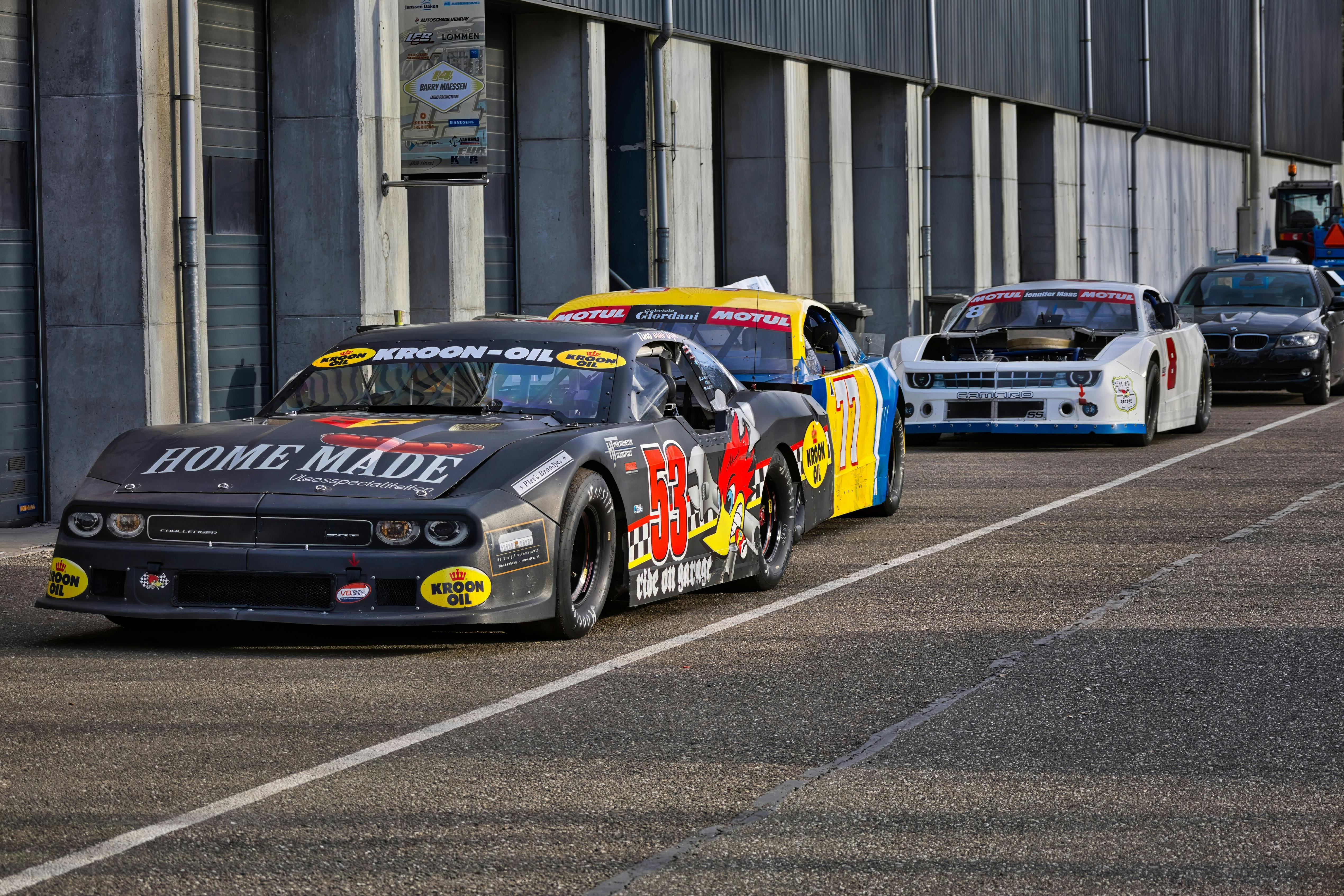
A race car tells a story long before the checkered flag appears. It tells it through tire temperatures, brake wear, fuel burn, throttle response, and dozens of other signals that matter only if someone knows how to read them in time. Motorsport teams build their edge on that skill. They watch data streams, spot patterns, and adjust before a small issue turns into a costly one.
Race day betting follows a similar logic. Experienced bettors know that live markets reward attention far more than impulse. Odds move because the race changes, but they also move because the public reacts late, or reacts to the wrong thing. That gap is where judgment matters. The most useful lesson from car diagnostics is simple: information has value only when it is interpreted in context.
The Platform Matters Before the Race Even Starts
In motorsport, no team can make sharp decisions with delayed telemetry or poor data feeds. The same principle applies to betting. A bettor working with a weak platform starts with a handicap. Slow updates, unclear market depth, and poor live interfaces make it harder to read what is happening in real time. On race day, that matters more than promotional language or surface-level design.
That is why experienced users tend to value high-quality local platforms that understand their market and provide stable live coverage. A brand like Betway fits naturally into that conversation because race day analysis depends on execution as much as insight. A strong sport betting platform supports the process by offering responsive odds movement, reliable access, and a market structure that lets users compare pre-race assumptions with what the event is showing in the moment. That connection between platform quality and decision quality mirrors the way race engineers depend on trustworthy diagnostic systems. Better tools create better reads.
Diagnostics Reward Pattern Recognition, So Does Live Betting
An engineer does not panic because one sensor flashes a warning. The value comes from linking signals together. A drop in pace means one thing on its own. It means something else when paired with rising tire degradation or a change in sector times. The interpretation becomes sharper because the information is layered.
Live race betting works the same way. A drifting price on a favored driver means very little in isolation. It becomes meaningful when combined with lap consistency, traffic exposure, pit window pressure, or visible instability in corner exits. Skilled bettors separate noise from pattern. That habit matters because live odds often compress a complex situation into one number. The edge comes from asking what the number is missing.
This is where many race day markets become more interesting after the opening phase. Early assumptions still shape the prices, but the race itself starts producing new evidence. A bettor who tracks performance rhythm, rather than only headline position, can spot where momentum is real and where it is temporary.
Mechanical Clues and Market Clues Follow the Same Logic
A car rarely fails without warning. The signs usually appear in small forms first. Slight understeer grows over a sequence of laps. Acceleration loses sharpness out of slow corners. Brake confidence fades. To the untrained eye, the car still looks competitive. To a team reading the right signals, the trend is already clear.
Markets behave in much the same way. Price shifts often hint at changing expectations before the broader audience adjusts. A driver can still lead while showing signs of decline. Another can be lower in the order while posting stronger splits and managing tires more cleanly. The market may lag because many participants watch position first and process deeper signals later.
That is why race day betting benefits from a diagnostic mindset. Instead of asking who is ahead right now, a sharper question asks whose condition is improving and whose race is becoming fragile. That change in perspective leads to stronger decisions because it treats the event as a moving system rather than a fixed scoreboard.
Split-Second Decisions Still Need a Framework
Motorsport teams act quickly, but their speed comes from preparation. They build scenarios in advance. They know what overheating looks like, how strategy shifts under pressure, and when a problem is manageable versus terminal. Fast decisions feel calm because the framework already exists.
Experienced bettors can use the same approach. Live racing rewards preparation more than spontaneity. Pre-race work should outline likely tire behavior, driver tendencies, track-position sensitivity, and which entrants usually strengthen over long runs. Once the race begins, the job shifts from prediction to verification.
A useful framework often includes questions like these:
- Is the market reacting to position, or to underlying pace?
- Does the visible race story match the price movement?
Those questions help reduce emotional bets and keep attention on evidence. That does not remove uncertainty. Racing remains volatile by nature. Still, it improves decision quality because it anchors every move in observation.
The Best Reads Come From Patience Under Pressure
The US sports betting market size is expected to grow at a CAGR of 10.9% from 2025 to 2030, and this is a great segue into the strongest parallel between diagnostics and betting. It has little to do with technology. It comes down to data and discipline. Teams trust data, but they also trust timing. They know that acting too early creates one kind of error, while acting too late creates another. Good judgment lives in that narrow space between reaction and hesitation.
Race day bettors face the same test. The goal is not to chase every movement. The goal is to identify which movements reveal something real. That requires patience, selective attention, and a willingness to let weak opportunities pass. In both garages and live markets, the sharpest decisions usually come from people who know how to wait for the right signal, then respond with purpose.
That is what car diagnostics can teach about betting on race day. The craft is built on reading pressure, form, and change as they happen. Observation leads the process. Structure supports it. The result is a more thoughtful way to engage with the race, one grounded in interpretation rather than guesswork.