Language: English · Word count: 817
Surprise Premier League Results Keep Weekend Betting Markets Unpredictable
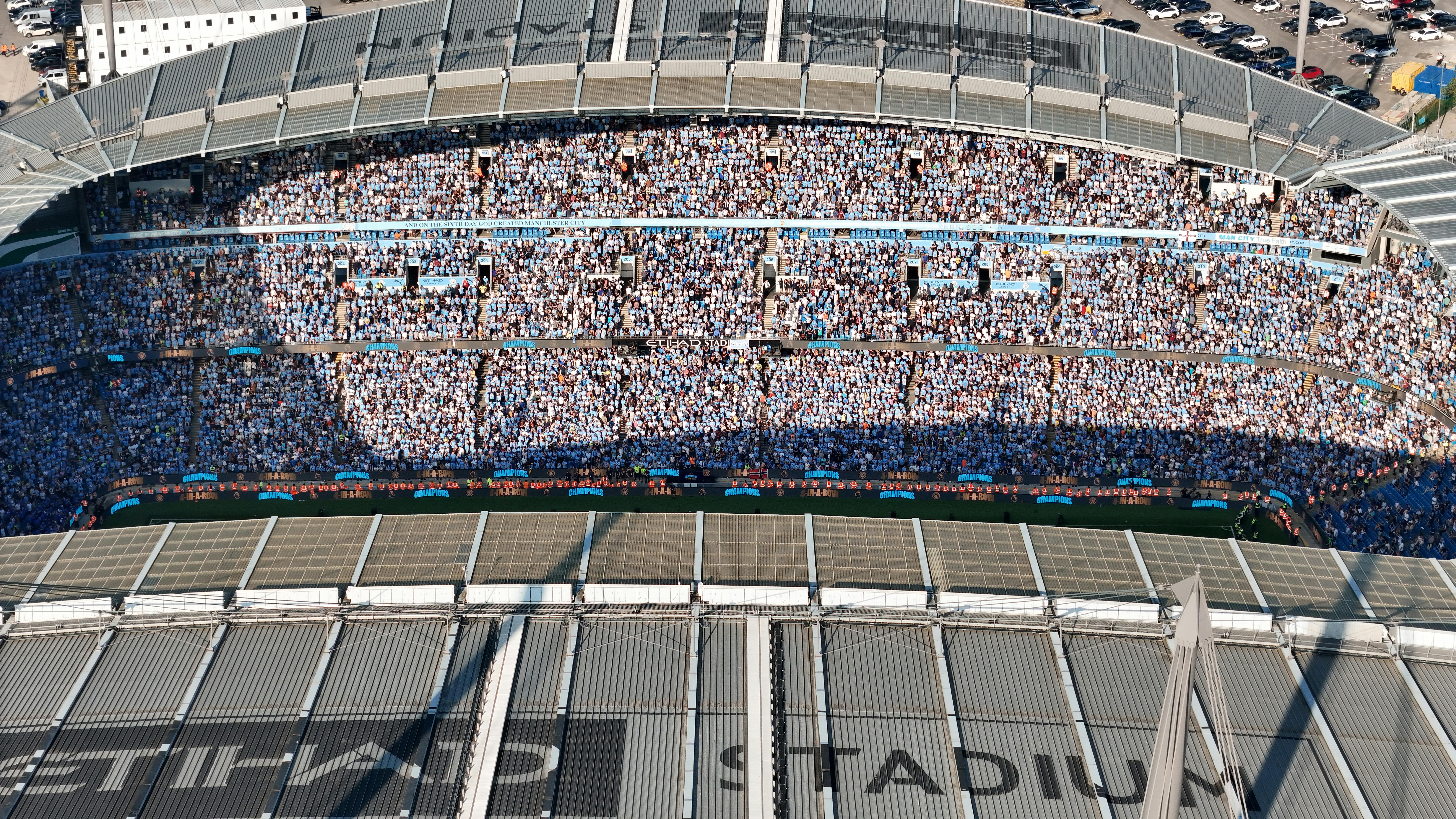
Everton’s 3-3 draw with Manchester City this week gave the title race a hard shove. City led, then trailed, then rescued a point through Jérémy Doku in the 97th minute. To put it mildly, it was a costly setback for City, with Arsenal left in control of their route to the title. For bettors, it worked as a timely reminder that a short price can still have a long afternoon.
It's been a season of surprises. Chelsea lost 3-1 at home to Nottingham Forest on the same weekend, a result that helped Forest move six points clear of danger. Arsenal also dropped points in April when Bournemouth beat them, allowing City back in.
Why Comparison Pages Have a Use
Weekend betting markets move fast because team news, injuries and price changes can alter the value of a bet in minutes. Comparison sites such as Oddspedia review and rank betting platforms by price, offer rules and market range, so readers can judge a book by more than a welcome line. That has value when people want a closer look at the betting platforms available for the World Cup event taking place this summer. A ranked page on Oddspedia can show payment options and odds formats beside promotion terms. It also keeps the user in the loop about the small print and all the details they should know about.
Short Odds Still Need Work
Short odds often tell you a team has the better squad, stronger form or home advantage. They don’t promise a clean match. A price of 1/3 means a £30 winning bet returns £10 profit plus the stake. It also means the market has given you little room for chaos. One red card, one poor clearance or one injured full-back can turn the bet into unpaid labour.
This explains why weekend accumulators cause so much damage. An accumulator combines several bets into one slip. Every selection has to win. Four strong favourites may look safe, but each leg adds a new way to lose. Everton holding City meant any slip built around a City win died late. Chelsea losing at Stamford Bridge did the same job for anyone who treated home advantage as a shortcut.
Sheffield Knows This Feeling
Sheffield football gives local readers a useful way into the subject. United and Wednesday supporters have seen enough strange results to distrust overly-confident predictions. A side can look poor for 70 minutes and still nick something. Another can dominate and leave with nothing. That’s football at its most ordinary, and it’s why betting markets need care from anyone watching in the pub with friends before a Saturday kick-off.
It's one facet of the city's extraordinary culture. Sheffield has music venues, theatres and neighbourhoods with strong LGBT+ communities, so weekend plans rarely sit around football alone. Sport has to compete with gigs, food and late shows. That mix can shape betting behaviour. A casual user may check a price between plans, then follow the score rather than the full match.
Form Can Mislead Good Bettors
Form guides help, but they can flatten detail. Five recent wins may include weak opponents. Three defeats may hide good performances against strong sides. A bettor needs to ask how a team created chances, not just how many points it took. Expected goals can help here. It measures the quality of chances, using shot location and shot type. It gives context when a team wins with one shot or loses after creating plenty.
Late Goals Change More Than Scores
Late goals make Premier League betting harsh. Doku’s 97th-minute equaliser turned an Everton win into a draw, changed match result slips, and moved markets tied to correct score.
In-play betting makes those moments more intense. The price changes as the game moves. A favourite drifting at 2-1 after going behind may look attractive, but the clock and game state count. Ten minutes of pressure means less if the striker has gone off. A low block can kill time without looking elegant. This is where restraint earns its keep. The market has seen the match too.
Data Helps, But It Has Limits
The UK market has scale, which helps explain why football betting draws so much attention. The Gambling Commission reported £16.8 billion in gross gambling yield for Great Britain from April 2024 to March 2025, with remote betting, bingo and casino producing £7.8 billion of that total in its annual industry statistics. Football sits near the centre of that online habit because the game gives users fixtures and familiar names every week.
Practical Ways to Read a Fixture
Start with team news. Check whether a side has changed goalkeeper, centre-back pair or main forward. Those positions alter match markets in direct ways. Then check schedule pressure. A club coming off a European tie may rotate, and a team near the bottom may play with a sharper edge than its league position suggests.