Is testosterone replacement therapy safe?
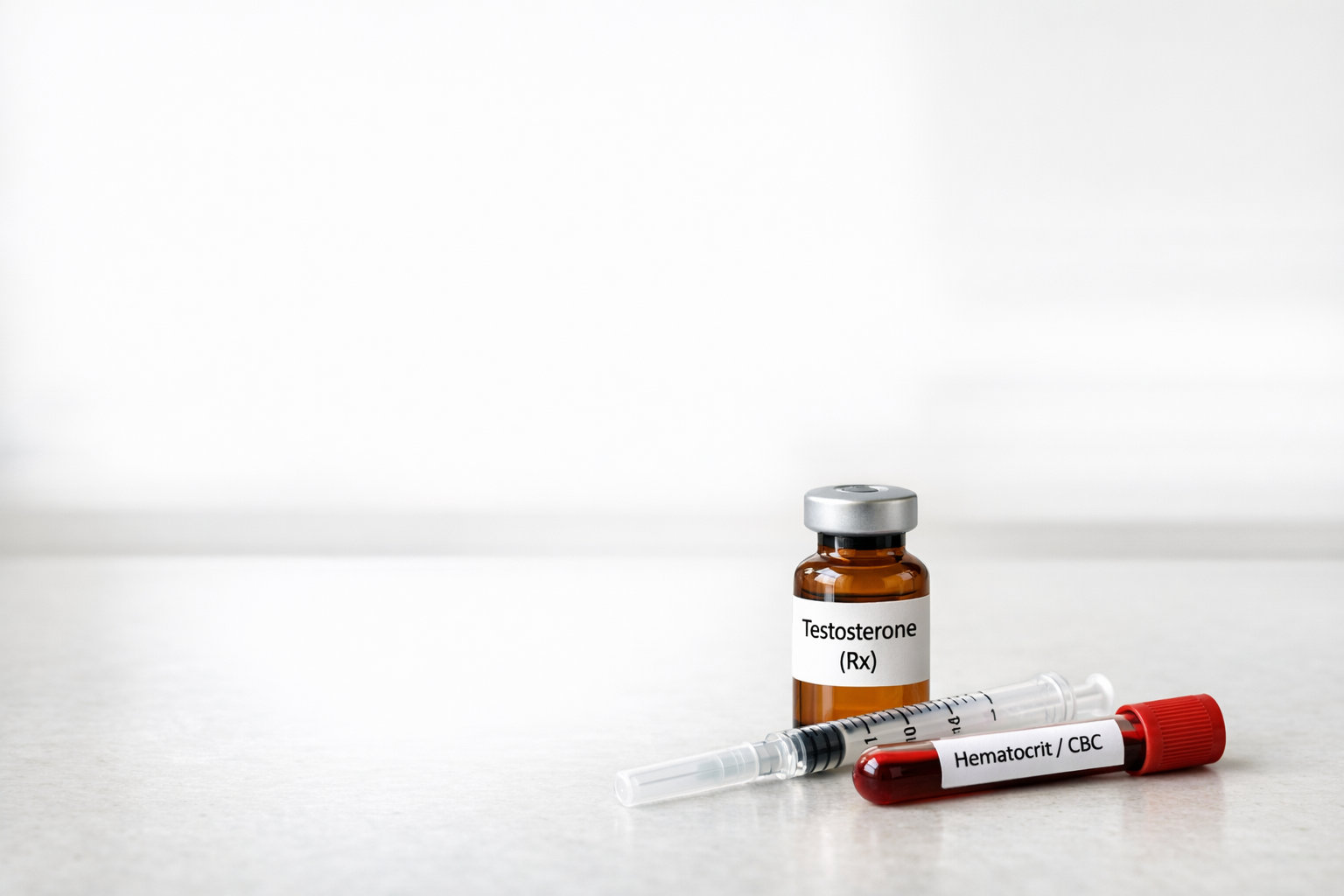
Testosterone replacement therapy (TRT) restores hormone levels in people experiencing symptoms of deficiency, but safety concerns remain central to the decision-making process. The therapy offers potential benefits, yet individual risks and clinical considerations must be assessed before starting treatment. Understanding the current evidence helps patients make informed choices regarding testosterone replacement therapy.
Many people facing symptoms such as fatigue or low libido are interested in whether TRT is a safe option. TRT in Miami is a term often associated with specialist care, but the fundamental question remains: is testosterone replacement therapy safe for each individual? Comprehensive evaluation, ongoing monitoring, and a clear understanding of the therapy’s benefits and risks create the groundwork for safe and effective use.
Medical assessment and the foundation of safety
Safety begins with a thorough medical evaluation, which includes assessment of symptoms and precise laboratory testing. Physicians look for a cluster of health changes, such as persistent fatigue, decreased muscle mass, low libido, and mood alterations, before considering hormone therapy.
Diagnosing low testosterone is never based on symptoms alone. Blood tests, typically performed in the morning, are needed to confirm the deficiency. Medical professionals may require repeated tests to establish consistently low values, taking into account age, overall health, medications, and other conditions that could impact hormone levels.
This careful diagnostic process is vital for excluding alternative explanations for the patient’s symptoms. Health conditions such as obesity, chronic illness, or sleep habits are often reviewed to rule out other causes. Proper diagnosis ensures that TRT in Miami is suggested only when medically necessary and appropriate for the individual’s health profile.
Therapy delivery methods and tailored management
Once low testosterone is confirmed, safety depends on selecting and monitoring the right therapy approach for the individual. Common methods include injections, topical gels or creams, and, less commonly, implanted pellets. Each option is chosen after discussing personal preferences, convenience, and clinical needs with a healthcare provider.
Every delivery method presents a unique set of considerations. For example, injections might cause hormone peaks and troughs, while gels offer steadier blood levels but require careful application. Reassessment and adaptation of the delivery method may occur if patients experience side effects or practical issues, reflecting that safety is dynamic and requires ongoing review.
Local access to follow-up resources and laboratory testing also impacts therapy safety, especially in regions with robust healthcare infrastructure. Patients often ask, is testosterone replacement therapy safe over the long term, and the answer depends on consistent follow-up. Whether using injections or topical treatments, regular in-person or laboratory monitoring ensures therapy remains aligned with patient needs and current medical guidelines.
Evaluating risks, ongoing monitoring, and fertility considerations
Risks associated with TRT include changes in red blood cell count, cholesterol, and cardiovascular health, as well as interactions with pre-existing conditions such as blood clot risk or untreated sleep apnea. To address the question, is testosterone replacement therapy safe, doctors regularly monitor blood levels, hematocrit, and other markers, adjusting treatment if abnormalities appear.
Patients with histories of heart disease or certain cancers require extra precautions, and sometimes TRT may not be recommended if risks outweigh potential benefits. Ongoing assessment and collaboration with a medical professional provide the framework for adjusting therapy or discontinuing use if necessary.
TRT can affect fertility by suppressing sperm production and reducing testicular size. For those wishing to maintain fertility, physicians advise exploring alternative treatments or approaches rather than beginning traditional TRT. A clear conversation about goals and risks is a core element of individualized care and safety management.
Addressing misconceptions and the importance of professional oversight
There is widespread misinformation about TRT, including beliefs that it always results in dramatic personality changes or guarantees substantial athletic performance improvements. In reality, most benefits are seen in those with documented testosterone deficiency. Symptoms like improved energy or libido are not universal, and athletic gains are modest in medically appropriate cases.
Professional oversight ensures that therapy is properly matched to each patient’s needs, minimizing potential harm. A responsible approach uses comprehensive evaluation and continuous review, emphasizing evidence-based care. When clinically indicated, specific preparations such as testosterone propionate can be considered by the healthcare provider as part of a monitored regimen.
By understanding both the benefits and limitations of TRT, patients and clinicians can work together to answer the critical question- is testosterone replacement therapy safe - for each unique situation. This ongoing partnership and individualized analysis remain essential to protecting health while exploring therapeutic possibilities.