How Modern Perfume Dupes Are Making Luxury Fragrance More Accessible
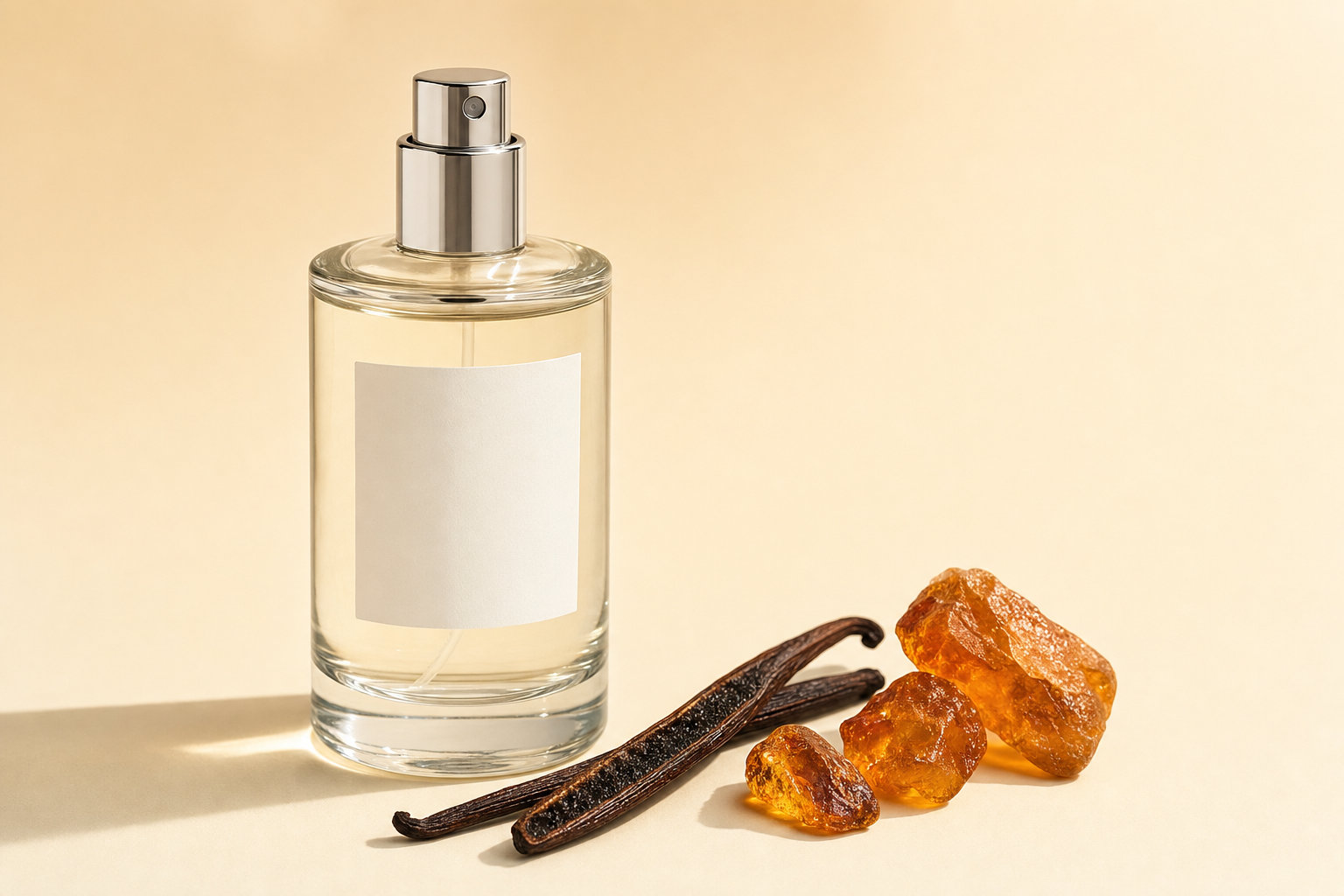
Interest in perfume dupes has surged, offering fragrance lovers new ways to experience luxury scents without prohibitive costs. These high-quality alternatives are distinct from counterfeits, focusing on inspiration, not imitation. As social media amplifies discovery, consumers are rethinking how they approach personal fragrance and the variety of scent experiences available today.
Affordable access to popular scents has rapidly gained traction, changing how you explore and enjoy fragrance. Tom Ford Vanilla Sex alternative now often appears in fragrance discussions as more people seek comparable experiences without the steep prices. The rise of accessible, well-made perfume dupes reflects a shift away from exclusivity and toward inclusion. For those interested in choosing among alternatives, typical comparisons include performance metrics such as longevity, projection, and sillage, as well as how the scent interacts with individual skin chemistry and whether the product's labeling and ingredient lists meet consumer expectations for clarity and safety.
Understanding the modern dupe movement in fragrance
Today, the term “dupe” describes an alternative that aims to resemble a familiar luxury perfume while avoiding counterfeiting or imitation. Unlike counterfeit products, which unlawfully copy branding and packaging, dupes may take inspiration from an overall aroma profile rather than replicating logos or misleading consumers. For example, a dupe might interpret a vanilla/amber scent profile or a woody/spicy harmony rather than reproducing exact packaging or proprietary blends.
The conversation about perfume dupes has moved from small online forums to mainstream platforms, driven by social sharing and increased consumer interest. As more people join the fragrance community, discussion around accessible alternatives—such as which fresh citrus/aromatic scent families are interpreted most faithfully in dupes or which products perform best in terms of opening notes versus drydown—has become part of daily beauty talk.
Factors driving the search for alternatives
Many consumers seek alternatives to luxury scents because of high prices and limited local availability. When classic fragrances are reformulated or discontinued, fans may look for ways to enjoy familiar notes without sacrificing quality or sentimentality. For example, if a favorite scent with a strong sandalwood or musky undertone is no longer available, a dupe offering a similar olfactory signature can fill the gap and help maintain a personal scent memory.
Scent memory plays a significant role in the appeal of a dupe. Some are drawn to a fragrance for its mood or association rather than its label, motivating the search for affordable options that evoke similar feelings or atmospheres. This is especially relevant with perfume note families: a person may look for alternatives that feature a prominent vanilla or amber note to evoke comfort or a sparkling citrus opening for freshness, even if from a different brand.
How brands interpret and create quality alternatives
Developers of perfume dupes may study note pyramids and the “signature accord” that defines a luxury scent’s identity. They often balance top, middle, and base notes, such as combining vanilla and amber for warmth or adding woody and musky notes for depth. These interpretations focus on fragrance structure and sensory experience rather than branding or trademarks.
Commonly, brands use general olfactory structures to approximate the experience, blending widely used ingredients and standard composition techniques. For example, a dupe aiming for a fresh aromatic signature might highlight citrus top notes that shift to a clean, herbal drydown. Many reputable dupe producers also support consumer safety by listing ingredients, offering return policies, suggesting patch testing for those with sensitivities, and ensuring clear labeling so buyers can make informed decisions.
Consumer behaviors and industry response to the trend
Online communities, particularly social platforms, now fuel “smells like” lists, with users comparing opening notes, drydown evolution, longevity, projection, and how formulas interact with individual skin chemistry. Tom Ford Vanilla Sex alternative can feature in these comparisons, reflecting how consumers evaluate formulas side by side and share experiences widely. Layering, where wearers combine several scents to achieve a personalized result, is also frequently discussed and compared between luxury and dupe options.
Luxury fragrance houses may respond by diversifying their offerings, including more travel-sized versions and updates in concentration. These strategies aim to retain engagement among those who might otherwise choose only a dupe and to encourage experimentation within an original brand line-up. Sometimes industry responses include greater transparency regarding reformulations, ingredient changes, or recommendations for safe experimentation for sensitive skin types.
Access, trade-offs, and evolving fragrance culture
The expansion of dupe options has allowed younger audiences and casual fragrance wearers to participate in the perfume world. By lowering entry barriers, alternatives can help users build collections and explore scent families, from powdery florals to fresh citrus or spicy woods, that would otherwise be out of reach for many. These options encourage conversations about scent layering and customization while acknowledging varied preferences.
Limits remain. Differences in performance or subtle changes in the way a scent develops may emerge due to ingredient quality, longevity, or how a scent interacts with a person's own skin chemistry or personal sensitivities. When choosing among alternatives, it is important to look for brands with clear labeling, return policies, and guidance for patch testing. The distinction between drawing inspiration and imitating is also important for transparency and ethical consideration, and clear marketing can help define these boundaries for consumers navigating an evolving range of fragrance choices.