Language: English · Word count: 880
Why Mobile POS Systems Are Becoming the New Standard in Retail
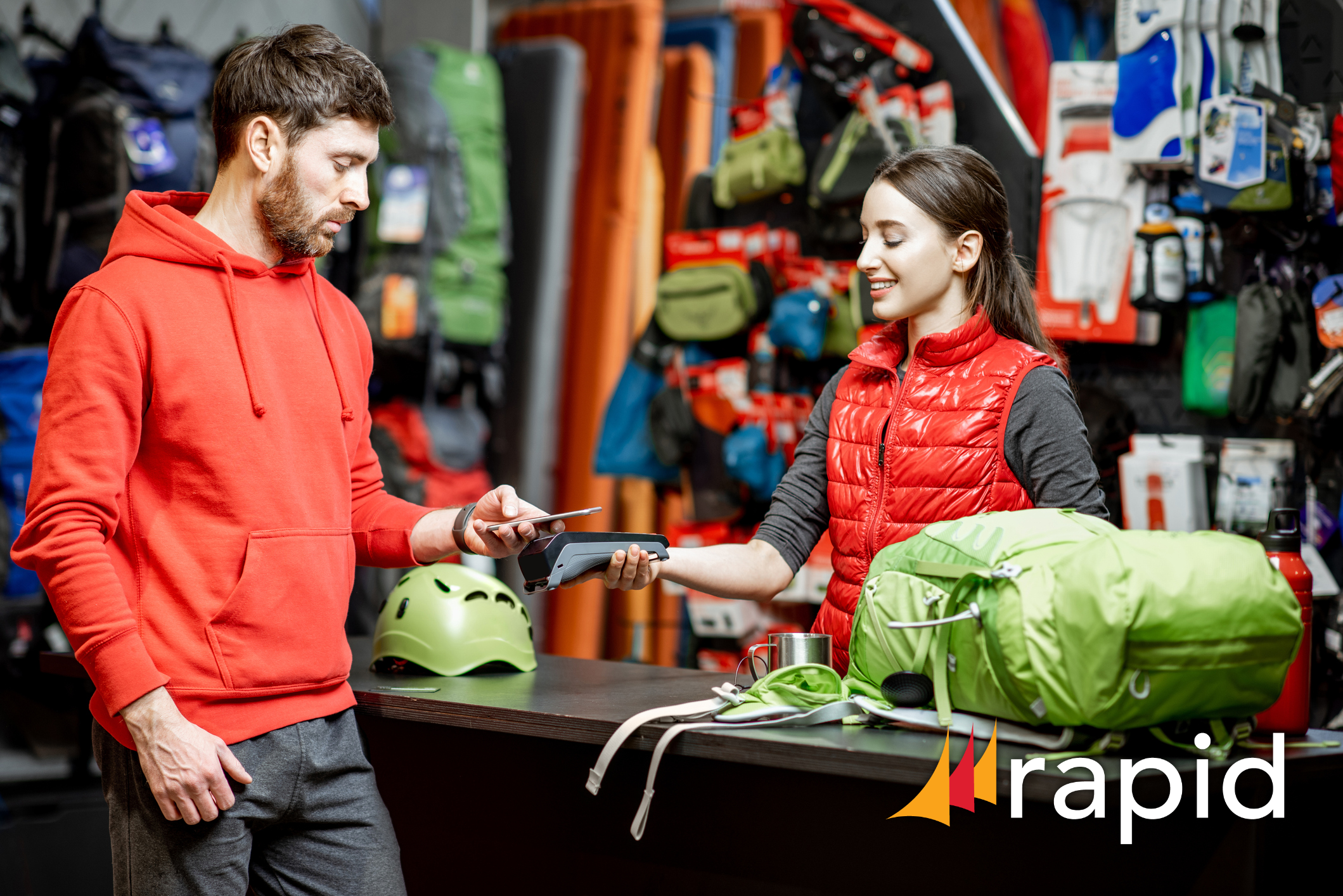
Retail has changed dramatically over the last decade. Customers expect faster service, shorter lines, flexible payment options and a smoother shopping experience from the moment they walk into a store. The advanced point of sale system is changing how businesses handle sales, inventory and customer interactions, helping stores operate with more speed and flexibility than ever before. For retailers trying to stay competitive, mobile checkout is quickly becoming less of an optional upgrade and more of a necessity.
Retail is moving beyond the fixed register
For years, retail stores relied on bulky cash registers located at the front of the shop. Long lines often led to frustrated shoppers, abandoned purchases and unnecessary pressure on employees. Today's retailers are shifting toward more flexible solutions. A modern mobile POS solution allows staff to complete transactions anywhere in the store using tablets, smartphones or handheld devices. Instead of forcing customers to wait in one location, associates can bring the checkout process directly to them. Convenience now plays a major role in purchasing decisions and shoppers increasingly expect the same level of speed and personalization they experience online.
A tablet POS system gives employees the ability to assist customers while also completing purchases, checking stock availability or applying loyalty rewards without interrupting the shopping experience. The result feels less transactional and far more personal.
Faster checkout improves customer satisfaction
One of the biggest advantages of mobile checkout solutions is speed. Long checkout lines remain one of the most common frustrations in physical retail stores, especially during holidays, promotions or weekend rushes. Mobile systems help retailers reduce congestion by turning the entire sales floor into a checkout zone.
Benefits include:
- Reduced wait times during shopping periods
- Faster payment processing from anywhere in the store
- Improved staff mobility and productivity
- Fewer abandoned purchases caused by long lines
A wireless checkout system also helps businesses serve more customers without dramatically increasing staffing levels. Employees equipped with mobile devices can quickly move throughout the store and assist wherever demand is highest.
Better service on the sales floor
Customer expectations now extend far beyond simply purchasing products. The modern shopper wants quick answers, personalized recommendations and immediate access to information while they browse.
Mobile POS technology supports this by giving staff access to product details, inventory levels and customer history directly from the sales floor. Instead of walking back and forth to a register or stockroom computer, employees can:
- Check real-time inventory availability
- Place orders for out-of-stock items
- Access loyalty account information
- Recommend related products based on purchase history
- Complete purchases immediately
Convenience and responsiveness improve the overall shopping experience while helping retailers close sales more efficiently. Many businesses are now investing in smarter customer service technology because it allows employees to spend more time interacting with customers and less time tied to a counter.
Flexibility is becoming essential for modern retailers
A mobile POS system gives retailers the flexibility to process transactions almost anywhere while maintaining accurate reporting and inventory tracking across locations. Retail environments are no longer limited to traditional storefronts. This adaptability has become one of the defining retail technology trends of recent years.
Mobile systems are especially useful for:
- Temporary retail events
- Seasonal sales environments
- Sidewalk and curbside pickup services
- Multi-location inventory management
- Busy in-store shopping periods
Unlike older systems that rely on fixed software, a retail POS system can scale quickly based on business needs. That flexibility allows retailers to react faster to changing customer behavior and shopping patterns.
Integration matters more than ever
Modern retail operations rely heavily on connected systems. Businesses need sales data, inventory tracking, customer information and reporting tools to work together. This is where integrated POS software solutions provide significant value. Today's smart retail systems often connect directly with:
- CRM platforms
- eCommerce stores
- Loyalty programs
- Inventory management systems
- Sales analytics dashboards
Integrated systems help retailers maintain consistency across inventory, pricing, reporting and customer experiences, regardless of where a sale takes place. When these systems communicate in real time, retailers gain better visibility into store performance while reducing manual work and reporting errors.
Rapid POS offers retailers the ability to combine mobile flexibility with centralized inventory visibility and reporting. Their solutions help businesses maintain accurate sales data across both in-store and online operations while supporting smoother customer interactions. For growing retailers, having connected store operations software can simplify everything from staffing decisions to inventory forecasting.
Mobile POS is becoming the industry standard
Retailers are under constant pressure to improve efficiency while still delivering a strong customer experience. Mobile technology helps accomplish both goals at the same time.
A modern mobile POS solution allows businesses to operate with greater agility, reduce checkout friction and empower employees with better tools on the sales floor. As consumer expectations continue to shift toward convenience and speed, retailers that fail to modernize may struggle to keep pace.
The move toward mobile checkout is not simply a passing trend. It reflects a broader transformation in how physical retail stores operate in a digital-first environment. Stores that adopt flexible, connected and mobile-friendly systems are in a better position to improve customer satisfaction while streamlining daily operations behind the scenes. For many retailers, mobile checkout is no longer viewed as a luxury feature. It has become the new standard for staying competitive in an increasingly fast-moving retail world.