Language: English · Word count: 886
Ireland Enters a New Era of Digital Finance as Market Maturity Beckons
New tax frameworks signal the close of the speculative era and the arrival of financial stability. This article examines how current revenue rules and corporate adoption are paving the way for mainstream success.
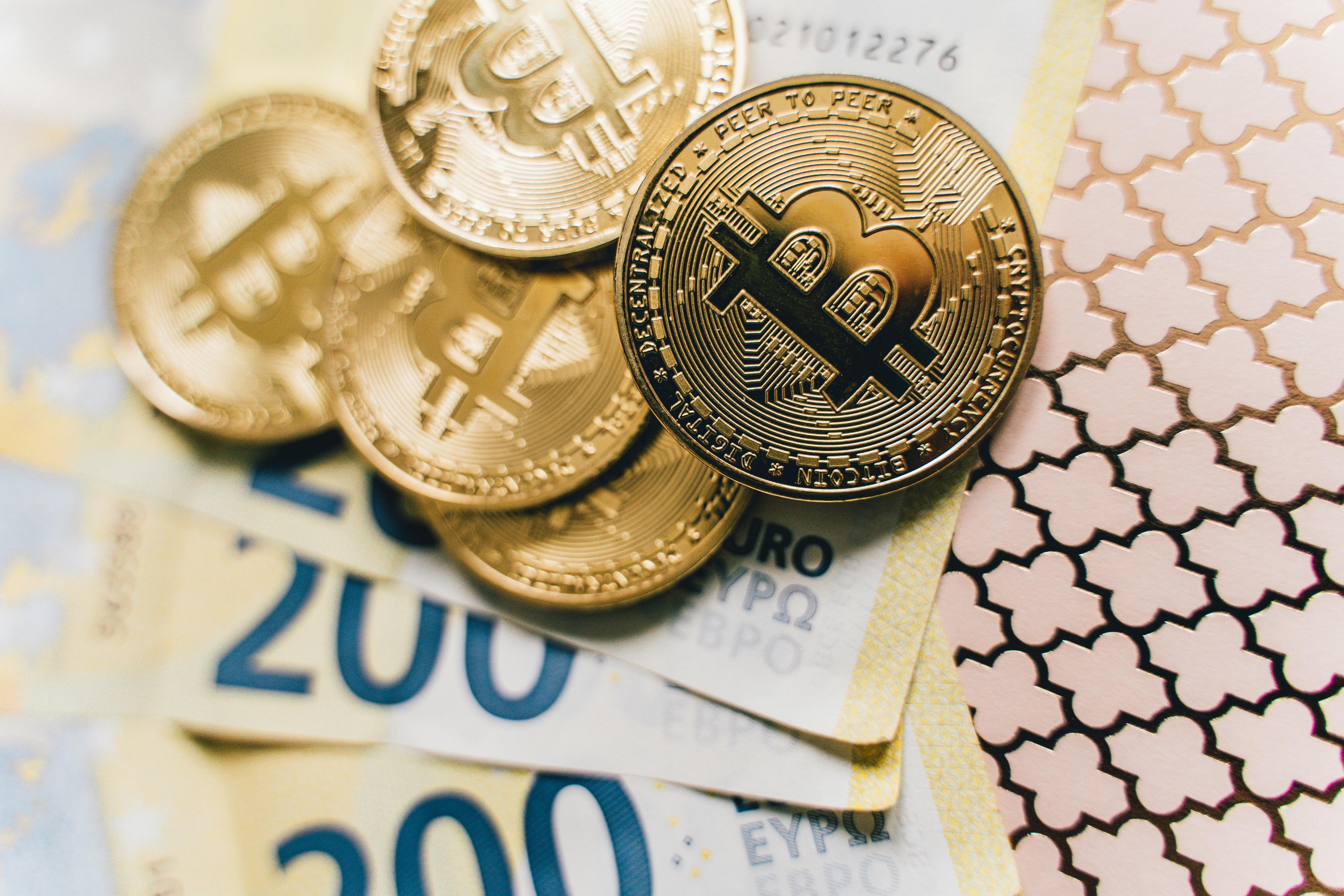
Regulation often feels like a constraint. Yet for the Irish digital asset sector, strict rules signal arrival rather than restriction. Revenue Commissioners began enforcing DAC8 rules on January 1, 2026, effectively zoning the sector for professional operation. New measures transform digital tokens from speculative outliers into recognized financial instruments worthy of serious portfolios. Stability attracts growth. Market adjustments to this clarity show resilience in crypto prices today, evidenced by data from crypto exchange Binance. Bitcoin traded near $87,000 at the end of 2025, showing investors remain confident despite the changing rules.
Automated Reporting Standards Clear the Way for Mainstream Adoption
Sharing investor data across EU member states actually validates the sector, with Ireland being one of the first countries to collect transaction records and share the data. Transparency acts as the ultimate disinfectant against the "shadow finance" label. Serious investors previously avoided the sector because opacity meant risk. Now, local investors move from the periphery to the center of global finance. Clear operational standards invite participants who previously hesitated due to compliance fears. Market participants have effectively graduated from experimental pilots to established financial protocols.
Money continues to move efficiently despite stricter oversight. Binance Research reported in their November 2025 Monthly Market Insights that the stablecoin market (often the liquidity engine for these trades) saw its capitalization climb to over $280 billion, proving that liquidity remains deep within the ecosystem. People generally dislike uncertainty more than they dislike paying taxes. By removing confusion and guesswork, Ireland is ensuring it meets international standards. Companies can thrive in a setting where the rules are straightforward. Investors now have the confidence that the systems supporting their investments are backed and recognized by the government.
Global Certification and Responsible Governance Build Trust
Regulators set the floor, but industry leaders are currently building the ceiling. Major players are moving faster than government mandates to establish trust frameworks that protect users. Standards are rising internally before external auditors even arrive. Self-regulation is like a handy backup that teams up with the new rules from the Irish Revenue. Both everyday savers and professional investment funds feel more secure when the guidelines they follow match up with tax laws. A synchronized effort between state rules and corporate responsibility creates the safest possible environment for wealth generation.
Richard Teng, Binance Co-CEO, explains the synergy between rigorous oversight and industry growth best:
“Achieving ISO/IEC 42001 certification reflects Binance’s strong commitment to responsible innovation. Together with our recent full regulatory authorization from ADGM’s FSRA, it underscores the standards of governance and oversight we are building globally. As AI technologies evolve, we will continue to uphold the highest levels of transparency and user protection to strengthen trust across the Web3 industry.”
Operational integrity is now the primary currency here. Strict governance protocols signal that the industry is ready to protect its users. Trust is hard to earn. By adhering to rigorous international standards, companies demonstrate that they value user security.
Fiscal Responsibility Echoes the Resilience of Past Economic Measures
Irish economic history is defined by the capacity to endure. Media coverage regarding the toughest Irish budget in two decades evokes memories of the lean years following 2008, yet the underlying economic reality differs sharply today. Previous austerity measures aimed to rescue a collapsing system. The current tax enforcement strategy is about capturing value from a thriving sector to fuel national expansion. Collecting revenue from digital assets proves the economy is healthy enough to tax. It acknowledges that crypto has grown into a substantial part of modern wealth.
Ireland has weathered worse storms than a compliance update. Modernizing revenue streams ensures the nation benefits from technological innovation rather than watching it flow offshore. Taxation implies legitimacy. You don't tax ghosts or imaginary businesses. By bringing digital assets into the fiscal fold, the government effectively grants them permanent residency. Integration into the broader financial system turns a rebellious asset class into a contributor to national infrastructure.
Institutional Giants and Corporate Holdings Drive Market Momentum
Big business usually waits for the dust to settle before entering the room. Clarity regarding tax obligations removes the final barrier for institutional entry. Corporations require legal certainty to justify allocating shareholder funds to digital assets. Removing uncertainty in laws helps attract a lot of investment. Big investment groups prefer clear rules to follow. When there are rules, taxes, and checks set up for digital currency, companies are more willing to jump in and participate in the market.
According to recent data from Binance Research, corporate adoption has surged significantly, with total holdings across public companies reaching approximately 848,100 BTC in 2025. Public firms are not gambling. They are hedging and investing based on 10-year horizons. Stricter oversight actually launches the next phase of growth. Organizations can finally operate within Ireland without worrying about future legal complications. When public companies hold nearly a million Bitcoin, the argument about validity ends. Market participants have voted with their wallets.
Maturity creates stability. Ireland is positioning itself not just as a participant in the digital economy, but as a mature hub for it. Stability has arrived, and with it comes the opportunity for sustainable development.