Language: English · Word count: 820
The Evolution of Visual Engineering, Redefining Esports Media
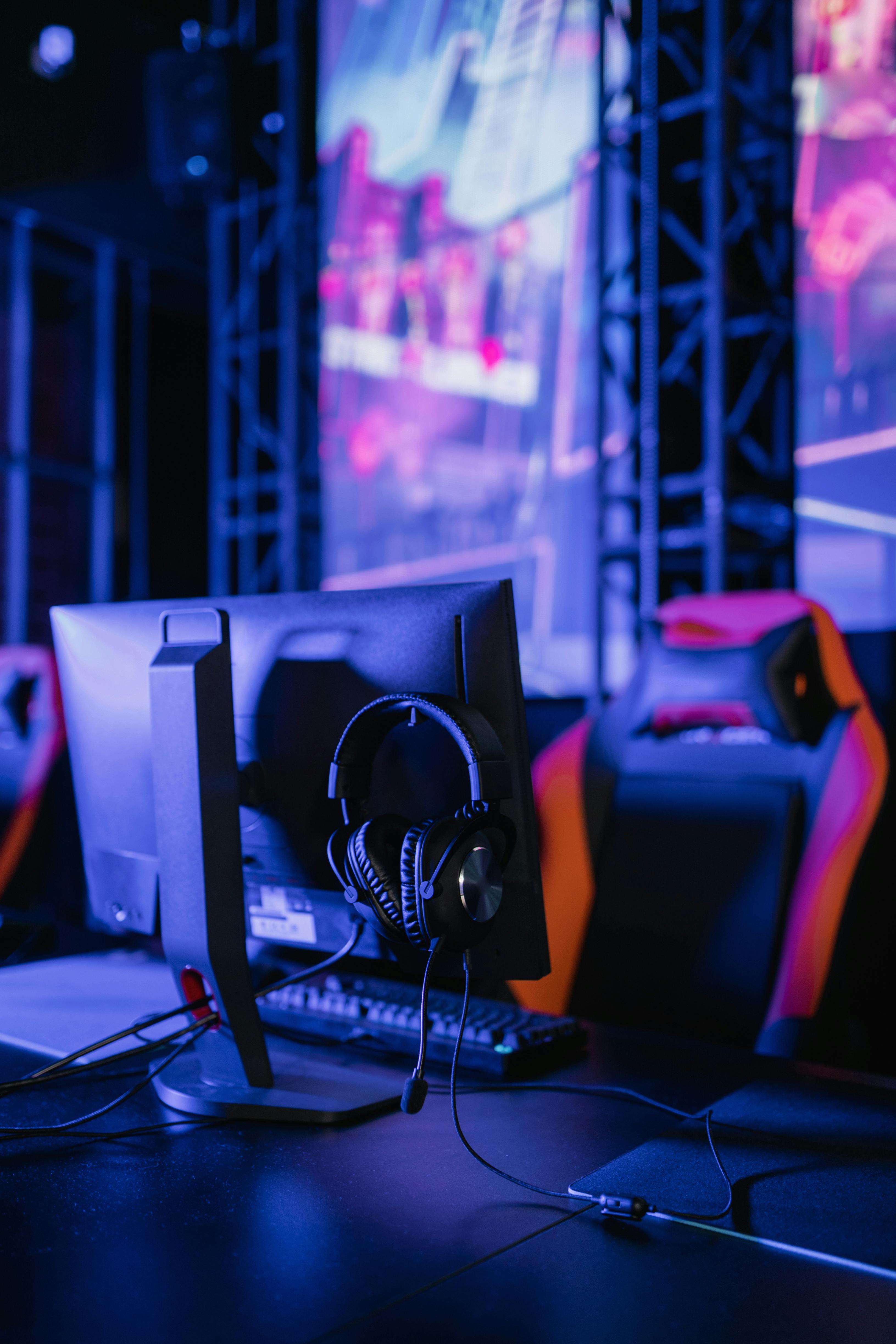
Visual engineering really now defines competitive advantage in professional gaming and streaming. High-impact creative hooks capture attention through measurable technical precision, combining aesthetic control with performance-driven design that resonates with modern audiences.
The esports industry really thrives on instant recognition across fragmented platforms, where viewers expect visuals that reflect the intensity of elite competition. Rather than passive viewing, competitive gaming audiences demand high-fidelity graphics that reinforce momentum, clarity and emotional stakes in real time.
Engineering these visuals really requires applied expertise in motion systems, color logic and hardware synchronization, ensuring every frame supports engagement in a market projected to reach 640 million global viewers by the end of 2025.
Kinetic Typography and Motion Tracking
Dynamic text has advanced from being just a captioning tool to a visually anchored, context-aware one. The industry has seen the use of kinetic typography that responds by moving in direct correlation to the player's actions.
Text anchored to specific screen coordinates makes language spatially relevant, drawing the viewer’s attention without breaking flow. As you naturally track the play, statistics and messages stay legible and interactive.
This approach removes barriers to static data, enabling data to coexist in the match environment rather than compete against it.
Neon-Noir Color Grading and Contrast
Esports broadcasts frequently adopt high-contrast neon-noir palettes to establish identity and authority. Electric blues and vibrant magentas form a recognizable visual shorthand that signals professionalism instantly.
This grading approach separates premium productions from amateur streams, especially when viewers scroll quickly between platforms. Visual consistency becomes a trust marker, helping audiences identify credible coverage at a glance.
Fans tracking live matches or tournament trends often rely on these cues before engaging further. Simply click here to visit win.gg to explore in-depth global esports coverage built around the same professional standards.
High-end visual consistency matters, especially as 43% of fans associate strong production quality with sponsor legitimacy.
Augmented Reality Overlays in Live Sets
Physical studio environments now merge with digital layers via purpose-built augmented-reality systems. Broadcasters deploy 3D character models, tactical maps and branded elements directly into live sets.
- Real-time AR maps display player positioning
- Three-dimensional trophies hover above stages
- Sponsor assets integrate into physical geometry
These elements convert visual novelty into perceived scale, making broadcasts feel comparable to traditional sports coverage. You are not just watching content. You are experiencing a constructed digital arena.
Data-Driven Infographic Animation
Raw numbers have little to no effect when presented statically. Visual engineering enables the creation of story-based motion systems that hold viewers’ engagement during analytical sections.
With animated charts and heat maps that transition smoothly into one another, spreadsheet logic gives way to a narrative experience that requires less interpretation of figures and enables better retention of data through observation of trends rather than understanding numerical values.
This allows the emphasis to be maintained during the downtime phase and to maintain a competitive context. Data visualization based on motion consistently outshines other forms of data representation, thus contributing to the 41-minute average session time expected in 2025.
First-Person Perspective Guerilla Edits
POV-driven editing introduces controlled imperfection to esports media. Shaky-cam techniques and HUD overlays replicate in-game perspective, generating immediacy.
This style prioritizes emotional proximity over polish, pulling viewers into the moment rather than presenting a detached spectacle. You feel embedded in the action, not positioned outside it.
By removing excessive refinement, these edits establish credibility with audiences that value authenticity. Trust-driven visuals consistently outperform high-gloss campaigns in retention metrics.
Engineering the Future of Interaction
Visual engineering has become a necessity. It has become part of the gaming industry's infrastructure, with the Asia/Pacific market accounting for a staggering 57% of the world’s esports viewership.
Future telecasts will incorporate AI-supported rendering and personalized visual layers, with layout customization based on individual preferences and device. Each frame has a specific purpose, such as sponsor placement and emotional enhancement.
The mobile gaming industry, which currently accounts for 56% of the competitive audience, amplifies these pressures. The visual systems must remain effective on smaller screens without compromising clarity or contrast.
In a seamless transition that works beautifully on a handheld device, you get the benefit of thousands of hours of optimization. This is what fuels a compound annual growth rate of 21%.
Results-Oriented Design in 2025
Success in esports media extends beyond surface metrics. Performance is measured by sustained attention, not fleeting interaction.
Data shows immersive, interactive broadcasts can drive conversion increases of up to 94%, tying visual design directly to commercial outcomes.
This positions the visual engineer as both technologist and behavioral strategist. Understanding eye-tracking patterns, contrast sensitivity and motion response enables content that resists disengagement.
The shift toward these five visual systems reflects a changing audience expectation. You are no longer satisfied with simple broadcasts. You expect engineered experiences that respect both the game and your investment in it.
As tools advance, the boundary between viewer and virtual space will continue to dissolve, not through spectacle alone, but through deliberate, functional design.