Language: English · Word count: 833
Casino Scenes That Stretch Tension Better Than Action
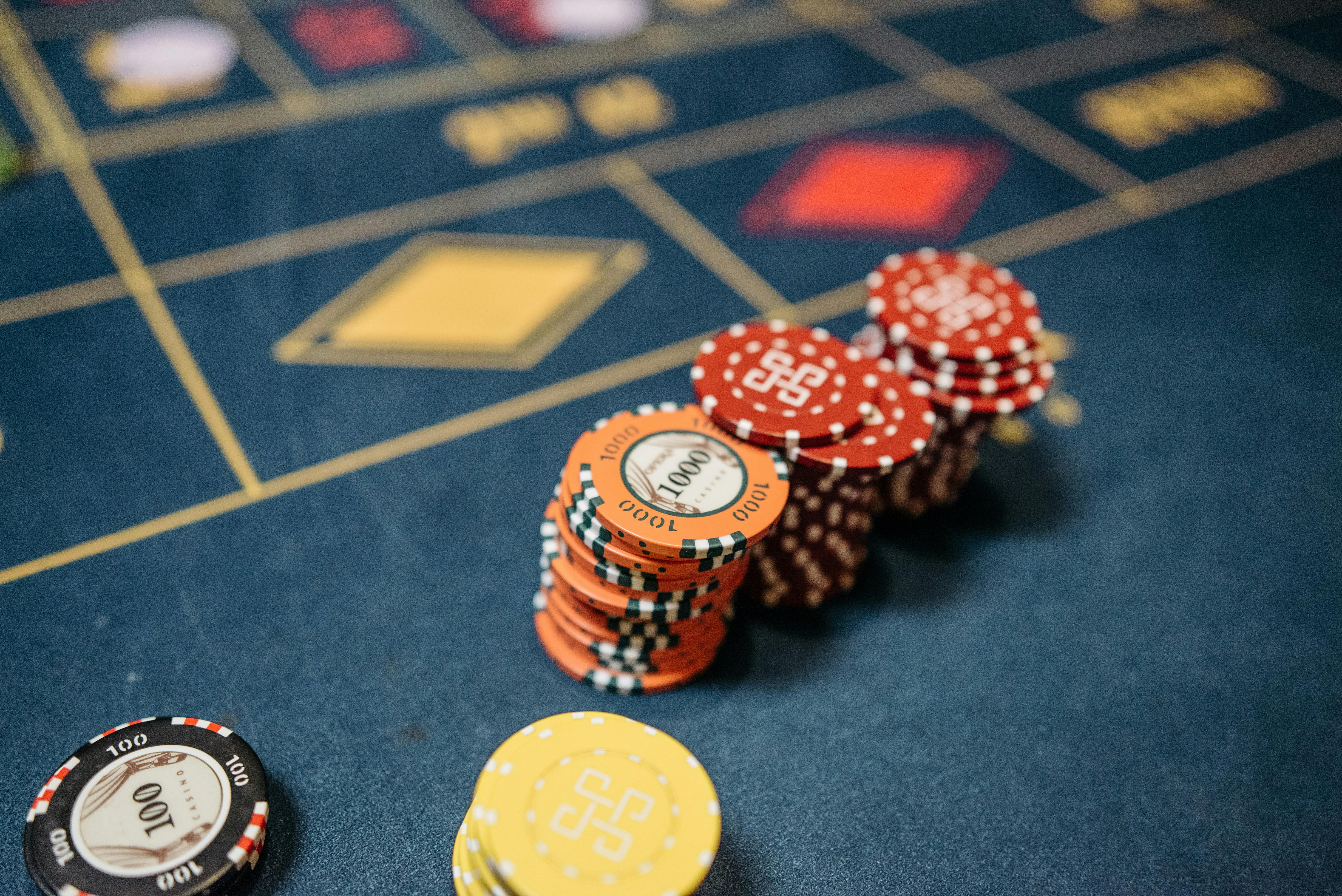
A chase scene hits you with speed. A casino scene holds you in place and makes you watch. The camera stays close to hands, faces, and tiny movements that suddenly feel huge. You hear chips, felt, breath, and a dealer’s calm voice. The room tightens, then you tighten with it.
A casino scene also gives you rules you grasp fast. You see the table. You see the stake. You see the decision that matters right now. That clarity lets filmmakers pace tension like a penalty shootout, one kick at a time, with the crowd doing the work between moments.
Familiar cues make suspense cheaper to build
Many viewers already recognise the sights and sounds of casinos through pop culture and online browsing. Big lobbies show a vast array of games, from live tables to slots, on platforms like Betway, so the symbols and rhythms feel familiar before a film even begins. That shared language helps a director build tension through micro choices, since the audience already understands what a steady gaze or a delayed bet can mean.
Film editing research helps explain why this works. Studies of Hollywood films show a long term trend toward quicker cutting and shorter shot lengths in many genres. Fast cutting can energise action, yet casino scenes often gain power by easing off the accelerator and letting the audience stare longer at one problem. The tension comes from waiting, and waiting works best when you understand what you wait for.
Casino Royale turns a table into a battlefield
Casino Royale uses a poker tournament to turn threat into a slow countdown. The scene builds tension through glances, chip stacks, and tiny shifts in confidence. The stakes remain visible, since the tournament links directly to the villain’s need for money and leverage. In the poker sequence, the film treats the table as an action set piece, with pressure rising through each hand rather than through fists or bullets.
The scene also works because it paces information carefully. You often see a reaction before you see the cards. That choice makes you predict, then correct yourself, then predict again.
Rounders makes one tell feel like a ticking clock
Rounders builds tension by turning poker into close reading. The final game with Teddy KGB focuses on timing, voice, and small habits at the table. A famous beat lands when Mike spots a tell tied to how Teddy eats Oreos. That detail works because it stays ordinary. It also works because the film gives the audience enough time to notice the pattern.
The pace here stays tight because the scene has one job. It makes you wait for Mike to act on what he sees. You feel the delay as tension, since the decision sits in a single moment that could flip the outcome.
Casino turns procedure into suspense
Casino proves that tension can live inside routine. The count room sequence shows money flowing through a system that looks clean on the surface and dirty underneath. The scene holds attention because it turns process into stakes. Each step creates a new point where something can go wrong, and the film lingers on those points. The film’s script describes the count room as a secure, controlled space and frames it as the “holy of holies,” which signals how much power sits behind that door.
This kind of scene often outpaces action because it lets the audience imagine consequences. You watch the system, then you start forecasting where the leak happens.
Ocean’s Eleven uses the vault as a slow burn
Ocean’s Eleven builds tension through planning and timing rather than impact. The vault sequence works because the film makes you understand the constraints, then keeps you watching each step clear those constraints. The audience already knows the goal, so suspense comes from execution and risk of exposure.
The casino setting helps because it carries built in surveillance and procedure. Cameras, security rooms, and controlled access give the heist a natural pacing structure. The film turns that structure into a metronome, so every small delay feels heavy.
How to spot casino pacing craft as you watch
- Pay attention to how the camera tightens the frame, since close shots turn micro movements into story events and keep your focus pinned to one problem.
- Listen for deliberate quiet, since sound design can make chips, breath, and dealer calls feel like percussion that sets the tempo of the scene.
- Notice when the edit shows reaction first, since that ordering stretches uncertainty and makes your brain fill the gap before the reveal arrives.
- Track the object that carries stakes, since chips, cash, or a signed marker often act as the scene’s heartbeat and keep tension legible.
Casino scenes pace tension well because they keep the audience oriented, then they squeeze time around one clear decision. Action often brings more motion than meaning in a single moment. A casino table turns meaning into the main event, and it invites you to sit with it until the reveal lands.