Language: English · Word count: 668
Cybersecurity risks affecting connected security in UK buildings
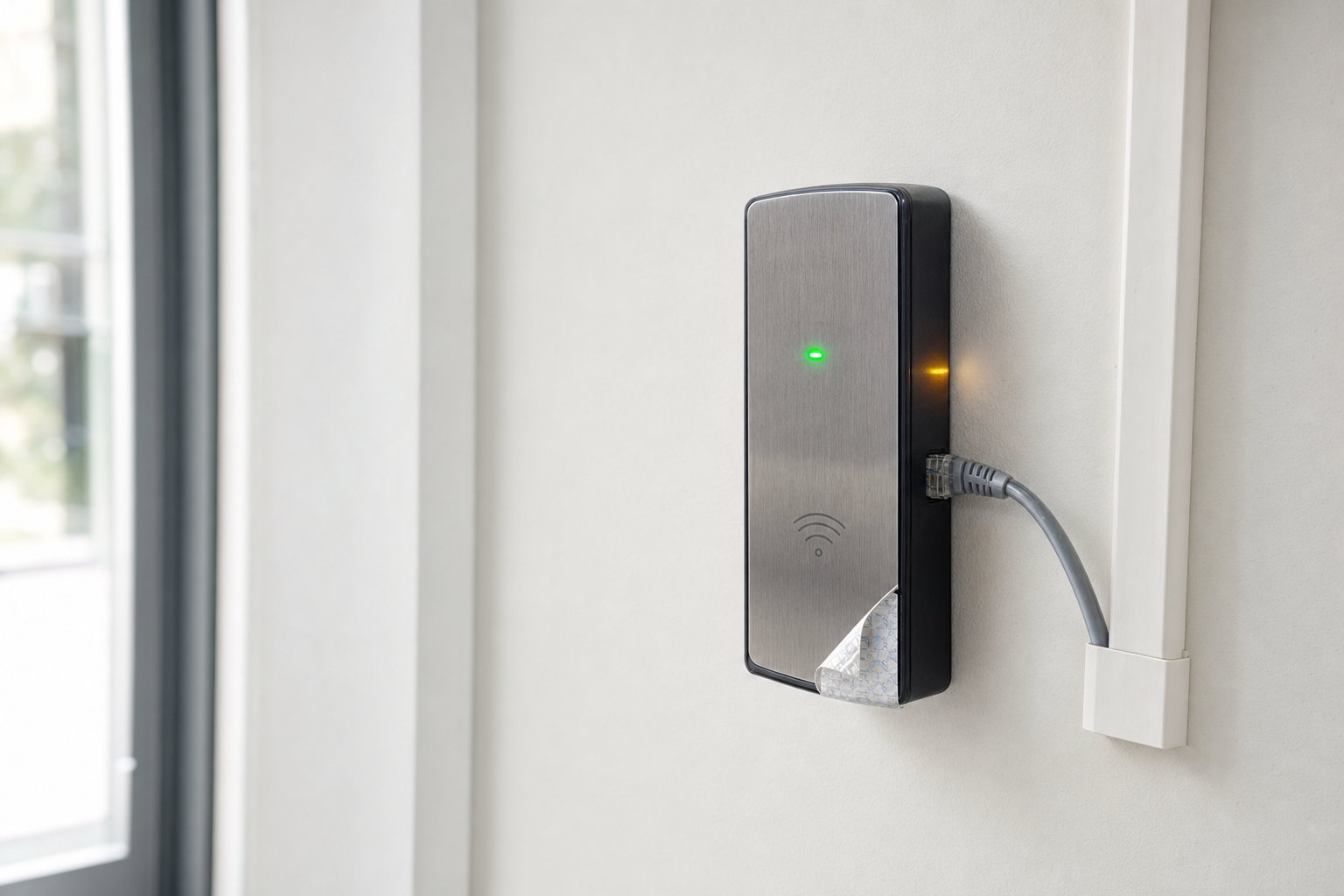
Property security systems now rely heavily on digital connectivity, increasing risks for owners and managers. Breaches can disrupt operations, undermine tenant trust, and expose sensitive information. Understanding and addressing these cybersecurity risks is essential for anyone responsible for the safety and reputation of UK buildings.
As connected security infrastructures become common in both commercial and residential properties, you face new threats that did not exist with traditional systems. These technologies integrate door controls, video surveillance, alarms, and access management into unified networks, which broadens the attack surface by creating more points where cyber incidents could occur. When reviewing or specifying a security solution, access control system integration is almost always present, and this amplifies the importance of robust risk management practices. By recognising where data and control signals flow across your property’s network, you equip your teams to prevent and respond to these threats more effectively.
Growing risks from expanding building technologies
Modern security solutions in buildings, especially offices populated by tech-industry businesses, typically go beyond physical locks and guards. You increasingly encounter systems that link digital credentials, sensor-based monitoring, and remote administration through networked portals and cloud-based interfaces.
This expansion brings a wider range of risks. Property stakeholders, including landlords, managing agents, and developers, now face new responsibilities to safeguard the sensitive information and building assets that these systems manage.
How connected security systems operate across assets
Typical connected security solutions include digital identity tools, doors, gates, alarms, intercoms, CCTV, and visitor management platforms. These features interact with cloud services or on-site servers, enabling live alerts, user provisioning, and remote diagnostics.
This integration means data and control commands often travel across several networks and sometimes the public internet. Proper design and management become critical because vulnerabilities can arise at any connection point if sound cyber practices are not rigorously upheld. In this context, the attack surface refers to all possible points through which an unauthorised party could attempt to gain access to the network.
Common cyber threats targeting property security networks
Security gaps often stem from reused passwords, weak authentication practices, or unmanaged administrator accounts. When legacy or poorly supported devices are in use, outdated firmware increases vulnerabilities and can make these devices attractive targets for attackers.
Network misconfigurations can expose management interfaces to the internet, further raising risk. Additionally, third-party contractor connections may expand the potential for accidental or deliberate breaches because of supply chain risk, while phishing is a widespread method for credential theft and unauthorised remote access.
Poor network segmentation enables attackers who breach one part of the system to move to other vital building functions. Incident detection is complicated if audit logs and monitoring are not properly implemented.
Legal, operational, and governance impacts of breaches
The consequences of cybersecurity incidents can go beyond inconvenience or financial cost. Service outages may disrupt business continuity, erode tenant confidence, or delay property transactions.
Personal data processed by security systems may trigger notification obligations under UK data protection law. Incident costs, reputational harm, and complicated insurance claims add further concern for property teams.
During procurement and system handover, you should expect to review update policies, access control procedures, incident management plans, and full asset registers. Effective governance includes tracking lifecycle support commitments to reduce exposure to unsupported hardware or software.
Assigning roles for cyber oversight, maintaining credential inventories, verifying timely patching, and promptly offboarding contractors helps reduce risk across the asset. To learn more about building control system risks, review summary information provided by the UK National Cyber Security Centre.
Design principles and their effect on property value
Good network design limits exposure by properly segmenting sensitive building systems and using secure remote access tools. Regular monitoring, comprehensive backups, and robust configuration controls help minimise system downtime and support recovery operations.
When you demonstrate sound cybersecurity practices, tenant expectations for reliability and safeguarding of personal information are more likely to be met. Increasingly, this resilience is considered part of due diligence in investment and competitive lettings markets, influencing how buildings are appraised and trusted.